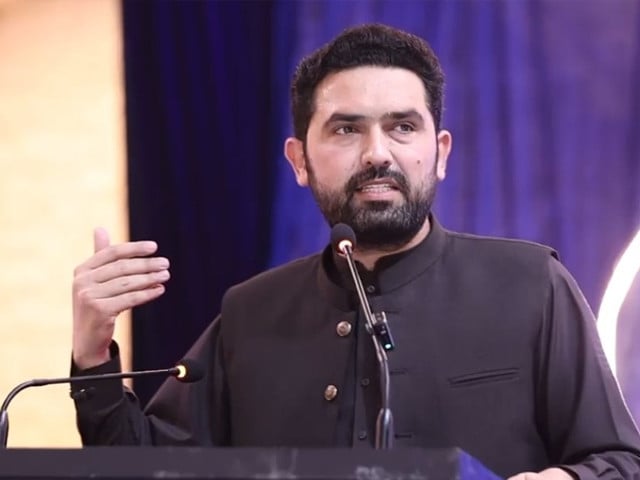
Khyber-Pakhtunkhwa Chief Minister Muhammad Sohail Afridi says he is personally monitoring progress in the Maulana Muhammad Idrees murder case and has ordered authorities to arrest the killers. He made the remarks during a visit to Charsadda for the cleric’s Fatiha.
CHARSADDA: Khyber-Pakhtunkhwa Chief Minister Muhammad Sohail Afridi on Thursday voiced serious concern over the law and order situation in the province and said authorities had been given strict instructions to arrest those responsible for the killing of Maulana Muhammad Idrees.
The chief minister said he was personally monitoring developments in the case on a daily basis and pledged that every available resource would be used to ensure those involved were brought to justice.
Afridi made the remarks during a visit to Charsadda, where he attended the Fatiha for the slain cleric. He also offered condolences to the family, disciples and associates of Maulana Idrees.
Speaking on the occasion, the chief minister described the killing of Maulana Muhammad Idrees as a major loss for the Muslim Ummah and said his religious, academic and intellectual contributions would continue to be remembered.
He said the large number of people from different walks of life who attended the funeral prayer reflected that Maulana Idrees was a person who stood firmly for truth and righteousness. Afridi added that the provincial government and the public stood with the bereaved family in their time of grief.
Questions over security situation
The chief minister also raised broader questions about the security situation in the province. “Why are such incidents happening? Why are Pakhtuns still displaced and unsafe today?” he asked.
He said those opposed to peace did not differentiate between political parties, schools of thought or organisations, and were targeting influential and capable individuals across the board.
Afridi linked the roots of instability in the region to decisions taken in 2002, saying the state had chosen to enter a proxy war at that time. According to him, the region had since remained trapped in unrest, terrorism and bloodshed.
He further said that political and religious parties as well as different schools of thought had rejected, on the assembly floor, policies formulated behind closed doors. However, he said, such policies were still being imposed by powerful circles.
Emphasising the need for a collective response, Afridi said the issue was not the struggle of one person, one party or one class, but a shared challenge for all.
He reiterated that the government remained committed to pursuing justice in the killing of Maulana Idrees and addressing the wider security concerns raised by the incident.